Can swapping saturated fat for unsaturated fat actually protect your heart?

On this page
Key takeaways
- A practical, evidence-informed guide to replacing some foods high in saturated fat with unsaturated fats or fiber-rich choices—without rigid rules or promises.
- Part of our Nutrition coverage.
Conflicting headlines about saturated fat can make everyday food choices seem more complicated than they need to be. The most useful question is not whether one ingredient is “good” or “bad,” but what you use in its place. Replacing some foods high in saturated fat with unsaturated-fat options—such as olive or canola oil, nuts, seeds, beans, or fish—fits established heart-healthy guidance. It is a practical pattern, not a promise that one swap will prevent heart disease.
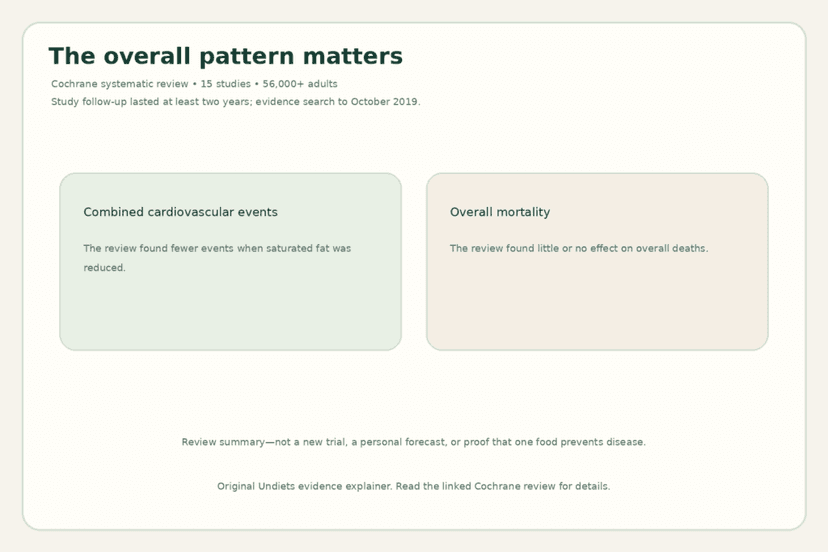
The evidence is about long-term eating patterns and substitutions, not a single meal or a special “heart-health” food. A Cochrane review of 15 studies involving more than 56,000 adults found that reducing saturated fat for at least two years was associated with fewer combined cardiovascular events, while it had little or no effect on overall mortality. The review’s evidence search was completed in October 2019, so it is useful context—not a brand-new trial or proof that every individual swap has the same effect.
What the evidence actually says
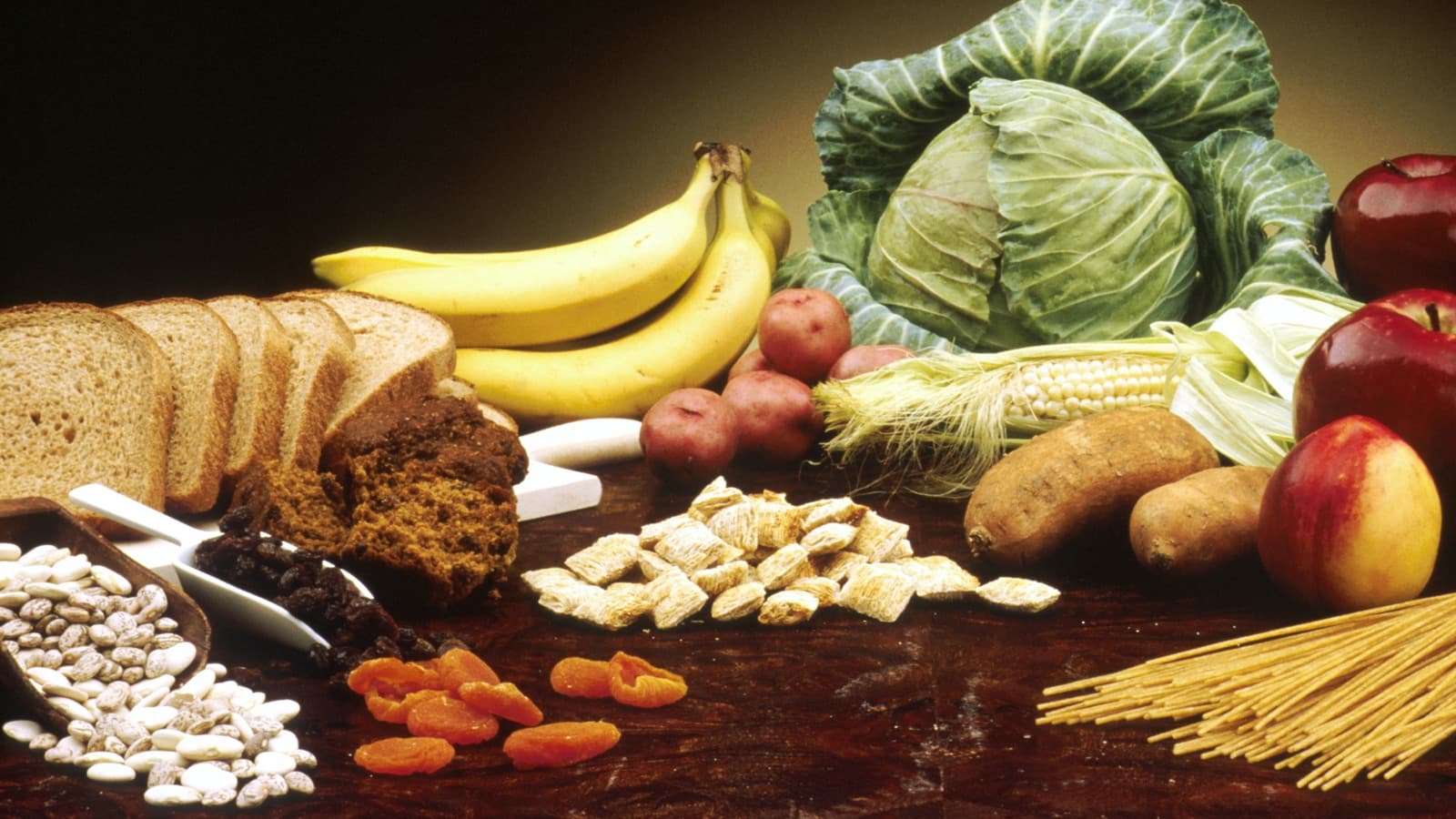
Dietary fats are not interchangeable in every respect, and fat itself is an essential nutrient. The World Health Organization describes unsaturated fats from foods such as fish, avocado, nuts, and plant oils as preferable to saturated and trans fats. It recommends replacing saturated fat with unsaturated fat or with fiber-containing foods such as whole grains, fruit, vegetables, and pulses. That guidance is about the overall pattern and what replaces what—not simply removing all fat from meals.
The American Heart Association recommends limiting saturated fat and replacing it with monounsaturated or polyunsaturated fats. Its examples include liquid nontropical vegetable oils, nuts and seeds, fatty fish, beans, peas, lentils, tofu, and lower-fat dairy choices. The National Heart, Lung, and Blood Institute likewise includes vegetables, fruits, whole grains, beans, nuts, fish, and unsaturated-fat sources in heart-healthy eating patterns.
Why emphasize a swap? If butter is removed but replaced with a refined, low-fiber food, the nutritional result may differ from replacing it with olive oil or nuts. The long-term Cochrane review found benefit when saturated fat was reduced and its energy replaced with polyunsaturated fats or carbohydrate; evidence for some other specific replacements was limited. The review does not justify claiming that a particular oil, nut, or meal alone prevents a heart attack.
There are also differences in recommendation thresholds: the AHA advises less than 6% of calories from saturated fat, while WHO and NHLBI guidance describe a limit below 10% for general populations. These are population-level recommendations from different organizations, not personalized targets. If a clinician has given you a specific plan—especially for high cholesterol, cardiovascular disease, diabetes, pregnancy, or another medical condition—follow that advice rather than adopting a target from a general article.
Everyday swaps that keep meals satisfying
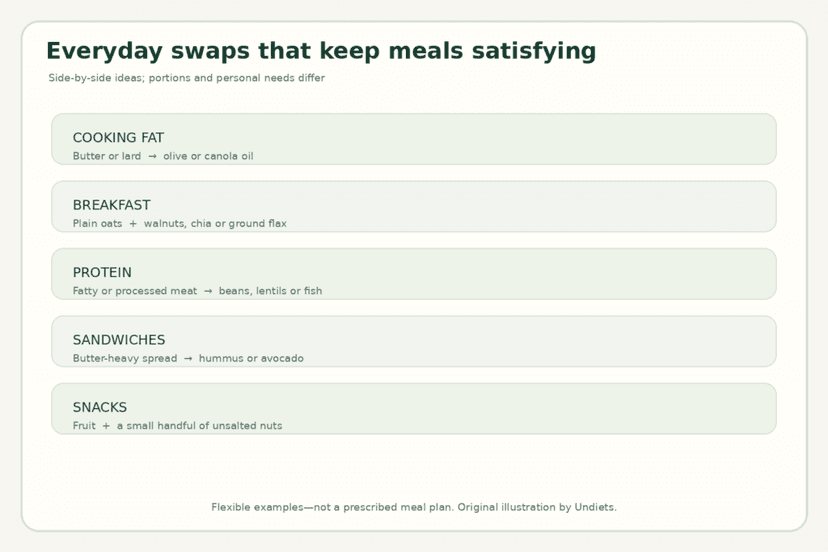
Start with foods you already eat regularly. A small change that you can maintain is usually more useful than a strict overhaul that feels unsustainable. These examples are options, not requirements:
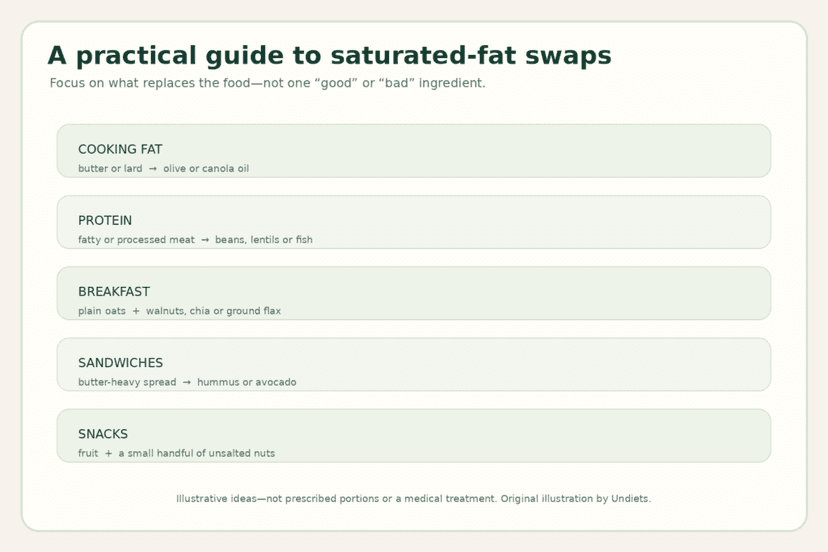
- Cooking fat: Use olive or canola oil in place of some butter, lard, or solid shortening when the recipe works with a liquid oil. Measure it: oils contain calories, even when their fat profile is mostly unsaturated.
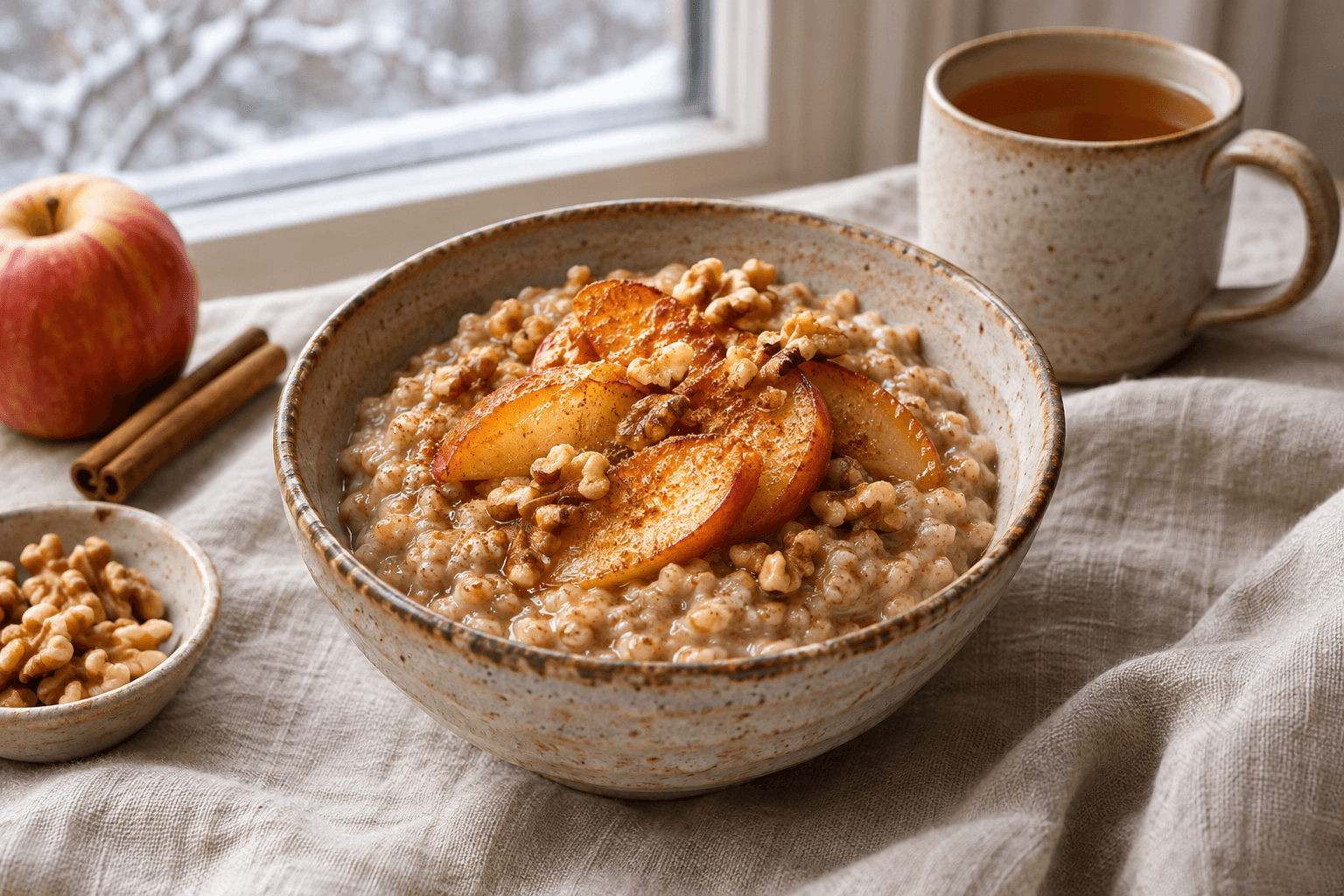
- Breakfast: Add walnuts, chia, or ground flax to plain oats or yogurt, or choose nut butter on whole-grain toast. These foods add unsaturated fat, but portions still matter if you are monitoring energy intake.
- Protein: Replace a few meals built around fatty or processed meat with beans, lentils, tofu, skinless poultry, or fish. Canned beans can be convenient; rinsing them may reduce some sodium.
- Sandwiches and salads: Try hummus, mashed avocado, or a measured olive-oil dressing instead of relying on butter-heavy spreads or creamy dressings every time.
- Dairy: If appropriate for you, compare lower-fat and full-fat milk, yogurt, and cheese, and choose the option that supports your overall pattern and preferences. Lower-fat products are not automatically better if they come with added sugar or do not satisfy you.
- Snacks: Pair fruit with a small handful of unsalted nuts, or choose hummus with vegetables. A snack is not a treatment; it is simply one way to include more whole or minimally processed foods.
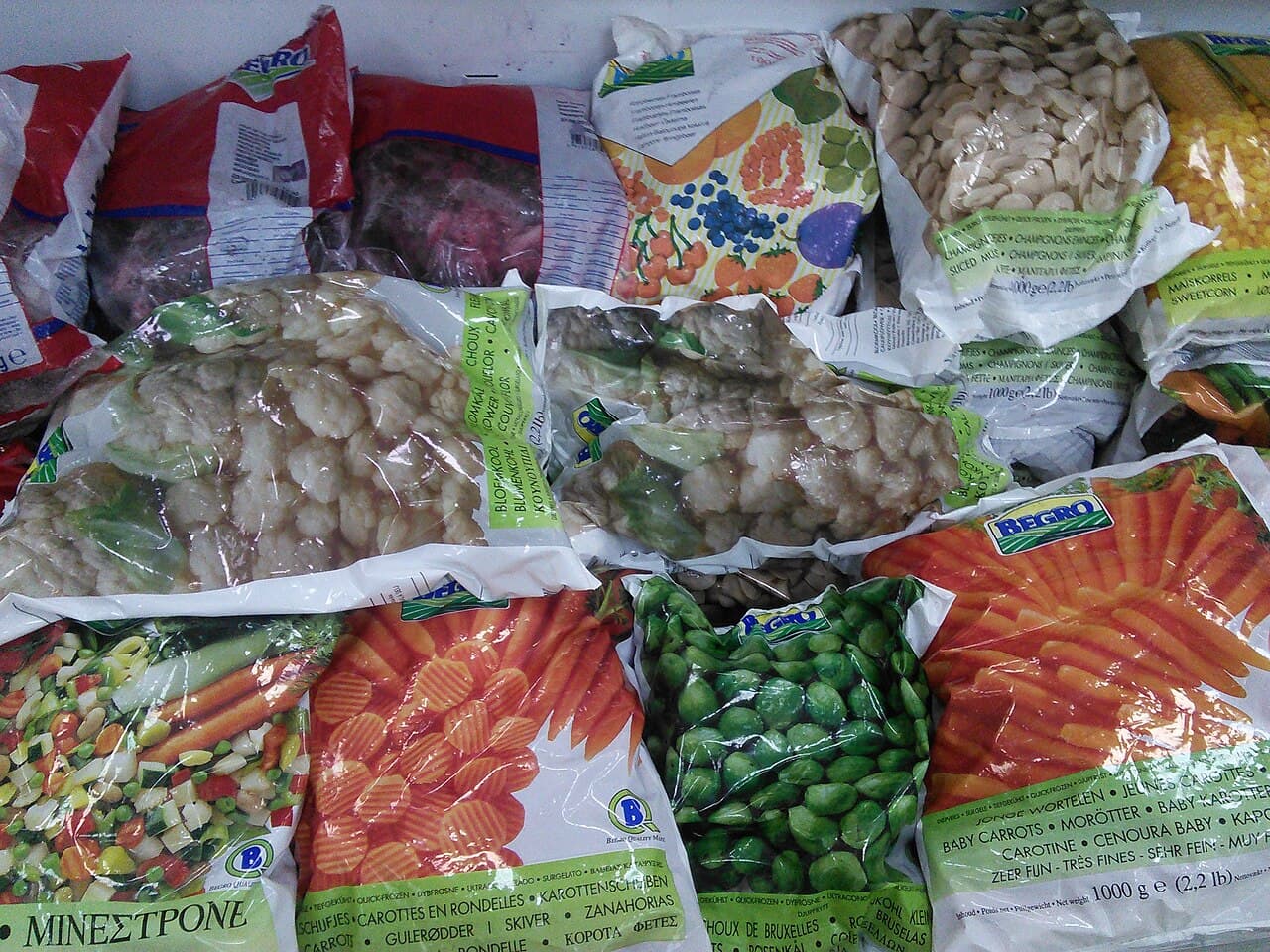
Frozen vegetables, canned vegetables without excess added sodium, and canned fish can help make these ideas practical when fresh ingredients or time are limited. The NHLBI notes that fresh, frozen, and no-salt-added foods can all fit heart-healthy eating. Compare nutrition labels for similar products, especially sodium and saturated fat, rather than assuming a package marked “natural” or “plant-based” is automatically the better choice.
A simple way to build a balanced plate
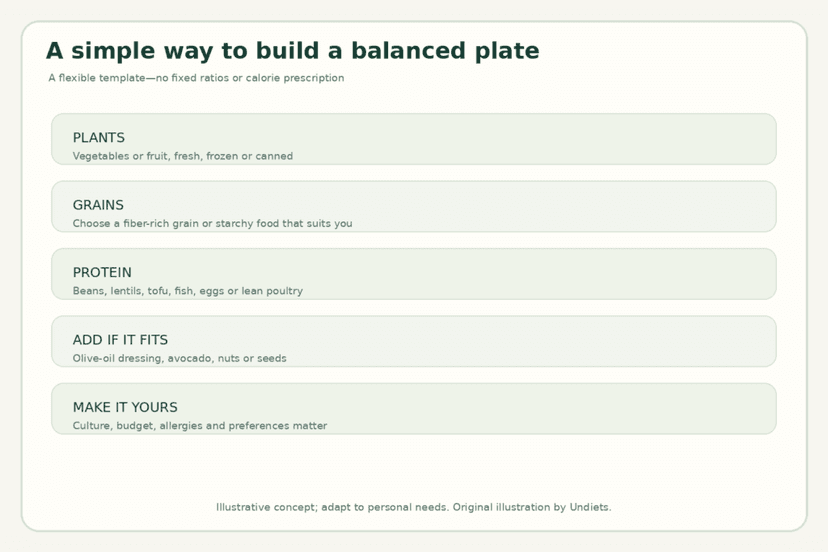
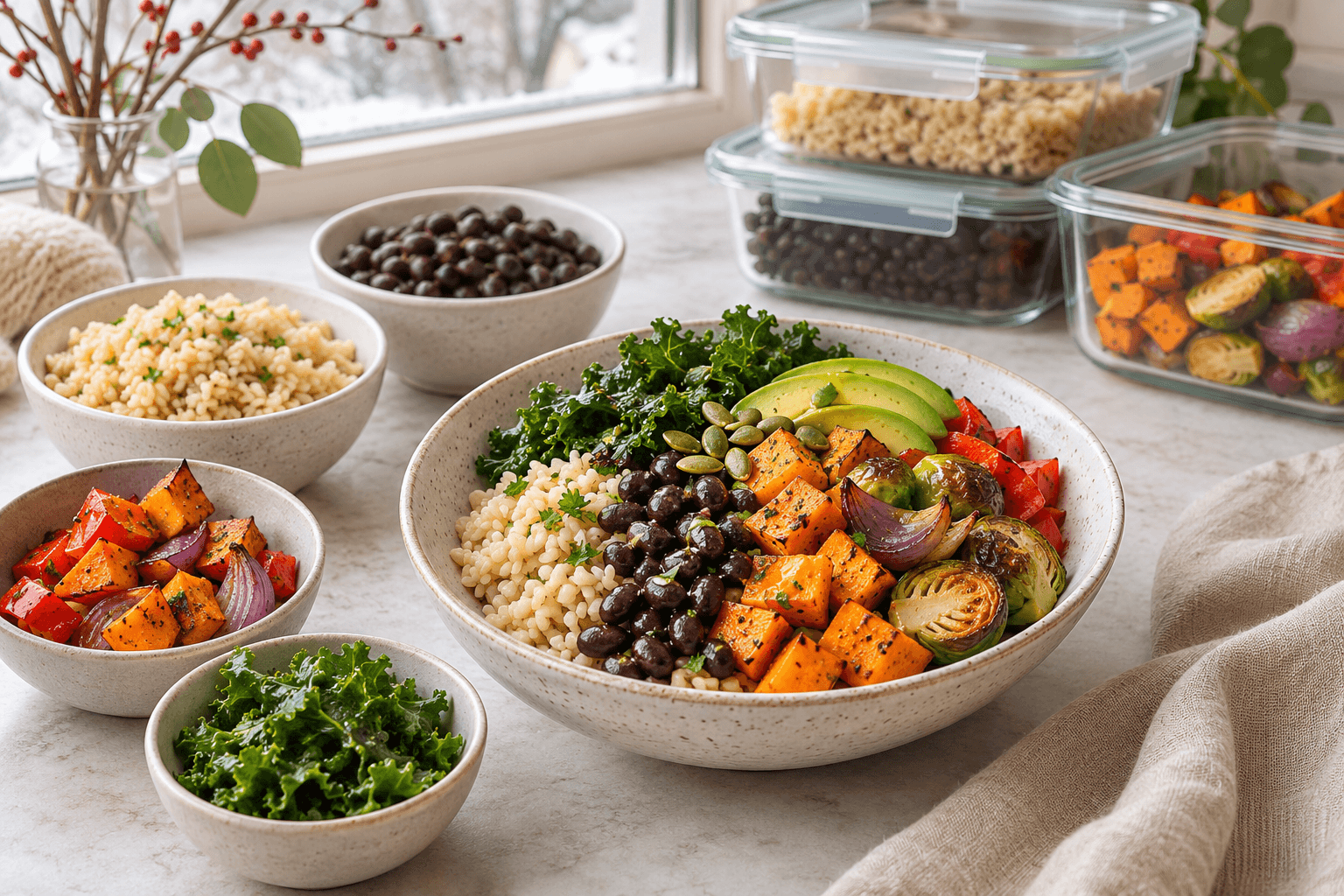
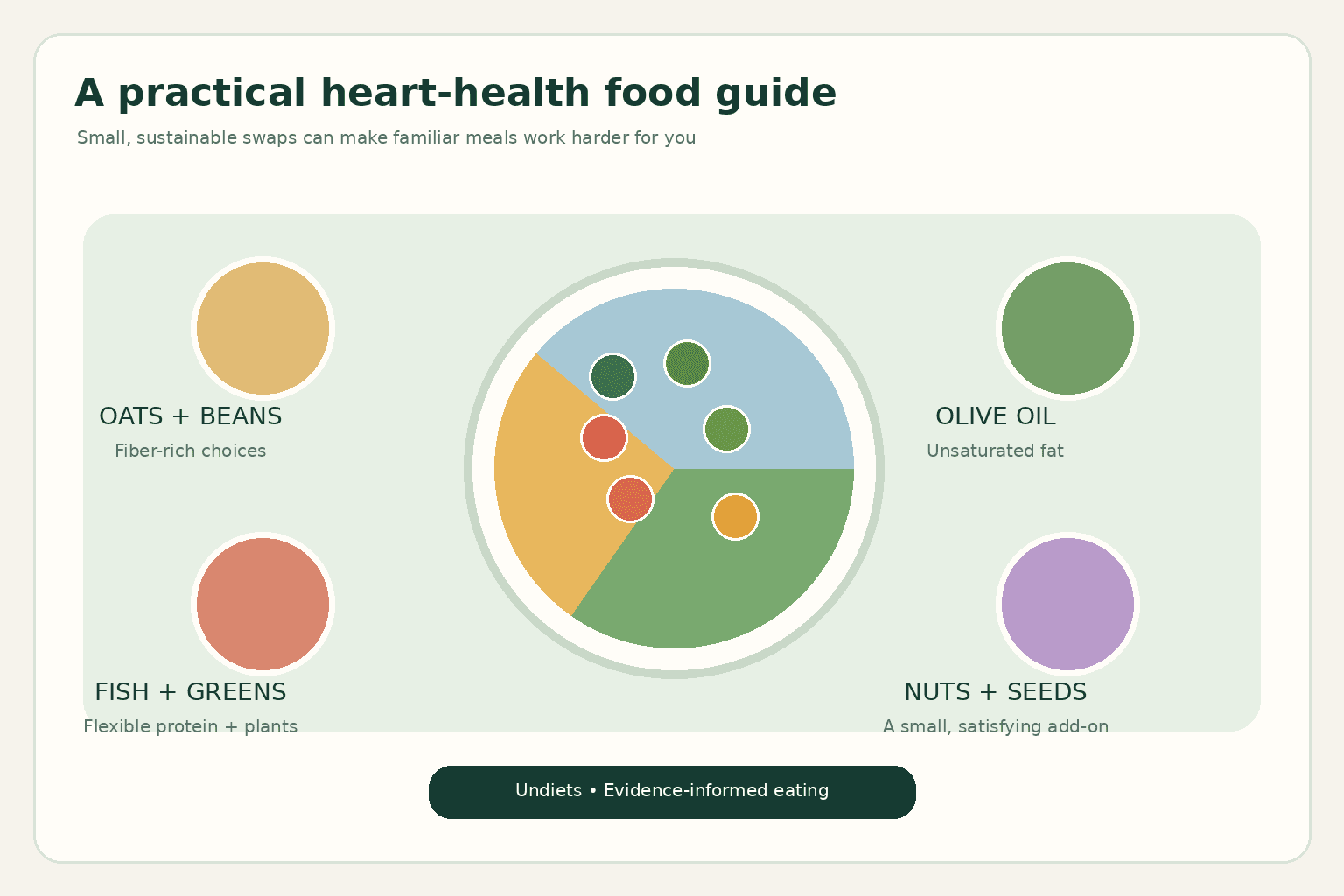
For a main meal, begin with vegetables or fruit, add a fiber-rich grain or starchy food, and choose a satisfying protein source such as beans, lentils, tofu, fish, eggs, or lean poultry. Add a modest amount of an unsaturated-fat source—such as olive-oil dressing, avocado, nuts, or seeds—if it suits the meal. This is a flexible template, not a required ratio or calorie prescription.
For example, a bowl might combine brown rice, black beans, roasted vegetables, salsa, and a spoonful of avocado. Another meal could pair baked fish with potatoes, greens, and a measured olive-oil dressing. A vegetarian option could use lentils, whole-grain bread, and a side salad. Season with herbs, spices, citrus, or vinegar; if you need to limit sodium, check sauces, seasoning blends, and packaged ingredients.
Meals should also reflect culture, budget, allergies, and personal preference. You do not need imported “superfoods” to follow a heart-healthy pattern. Locally available beans, oats, seeds, vegetables, and cooking oils can be useful choices. The WHO emphasizes that healthy diets vary with individual circumstances and local food availability, while still following broad principles of adequacy, balance, moderation, and diversity.
Common mistakes to avoid
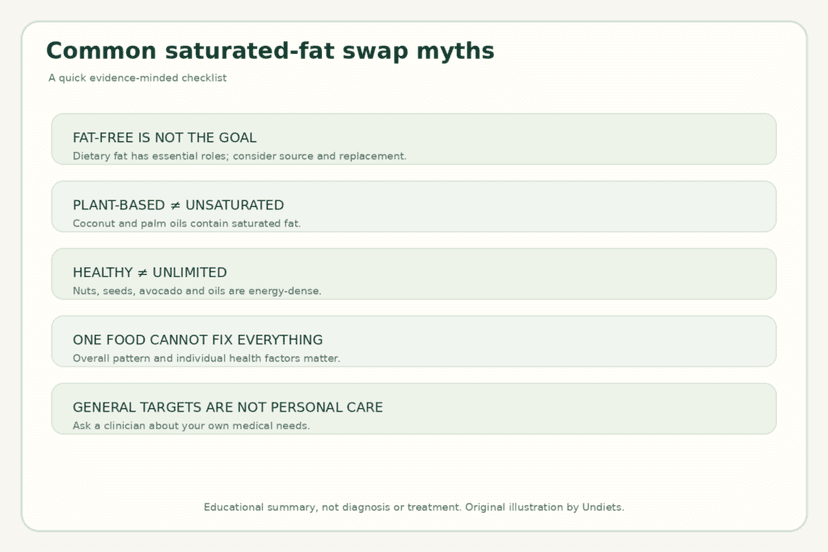
Removing fat altogether. Fat has important functions, including helping the body absorb certain vitamins. Replacing all fat with low-fat packaged foods is not the goal. Instead, consider the source, portion, overall meal, and what the food replaces.
Assuming coconut oil is automatically heart-healthy. Coconut and palm oils are tropical oils that contain saturated fat. The AHA and NHLBI list them among fats to limit or distinguish from liquid nontropical plant oils. “Plant-based” describes origin, not necessarily the amount or type of fat.
Adding healthy fats without considering portions. Nuts, seeds, avocado, and oils can be nutritious, but they are energy-dense. If your goal includes weight management, use a portion that fits your needs rather than adding unlimited amounts because a food is considered healthy.
Expecting one ingredient to fix the whole diet. Heart health is affected by more than one nutrient. Dietary patterns also include vegetables, fruits, whole grains, protein choices, sodium, added sugars, and individual health factors. A single swap cannot replace prescribed care, medication, or follow-up with a clinician.
Using a general guideline as personal medical advice. People with cardiovascular disease, familial high cholesterol, kidney disease, food allergies, eating disorders, pregnancy, or other health concerns may need individualized guidance. Ask a qualified healthcare professional or registered dietitian for advice tailored to your medical history and medicines.
How to make a change that lasts
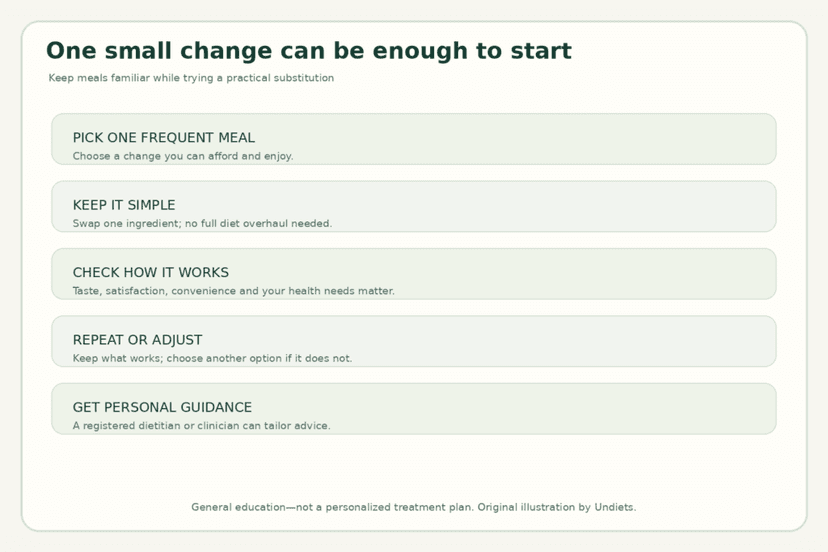
Choose one frequent meal and identify one realistic substitution. Keep the rest of the meal familiar at first. If you enjoy it, repeat it for a week and then decide whether to add another change. Use a shopping list, cook a batch of beans or grains when convenient, and keep a few quick options—such as frozen vegetables, oats, canned beans, or unsalted nuts—available.
Check how the swap works in practice: Does it taste good? Is it affordable? Does it keep you satisfied? Does it fit your health needs? If not, adjust the ingredient or preparation instead of treating the first attempt as a failure. Cooking methods such as baking, steaming, or sautéing with a measured amount of oil can make substitutions easier without demanding a special diet.
People sometimes focus on a precise saturated-fat number after seeing a headline. Numbers can help when a clinician recommends tracking, but they are not the only way to improve a diet. For many people, a gradual pattern—more meals with vegetables, beans, whole grains, fish or other suitable proteins, and unsaturated fats, with fewer frequent foods high in saturated fat—may be easier to sustain than daily calculations. Individual needs differ, and the article does not set a personalized calorie or fat target.
The takeaway
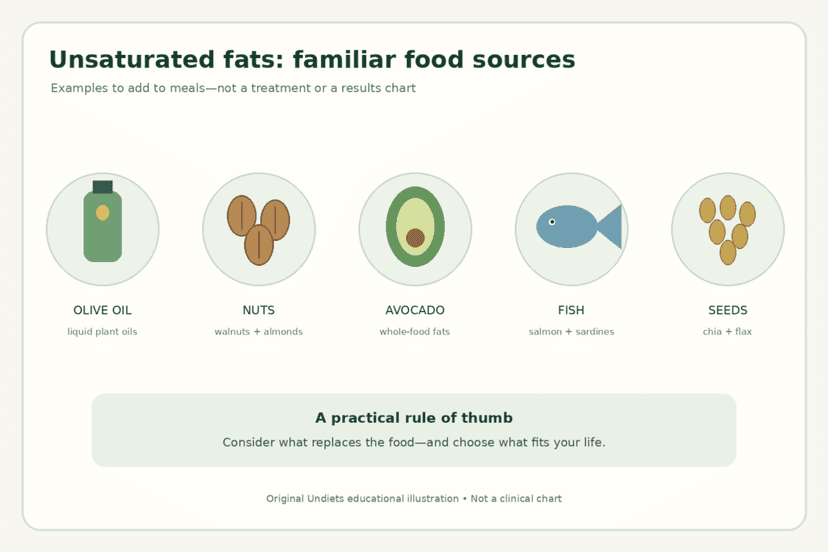
Replacing some foods high in saturated fat with unsaturated-fat foods or fiber-rich options is consistent with guidance from major health organizations. The research supports thinking in terms of sustained substitutions and overall dietary patterns, not magic foods or guaranteed results. Start with one practical swap, keep meals balanced and enjoyable, and seek individualized advice when a medical condition or treatment affects your diet.
This article is for general education, not diagnosis or treatment. Speak with a qualified healthcare professional about personal nutrition advice.
Related Undiets reading: easy ways to add vegetables to weeknight meals and a flexible mix-and-match meal-prep approach.