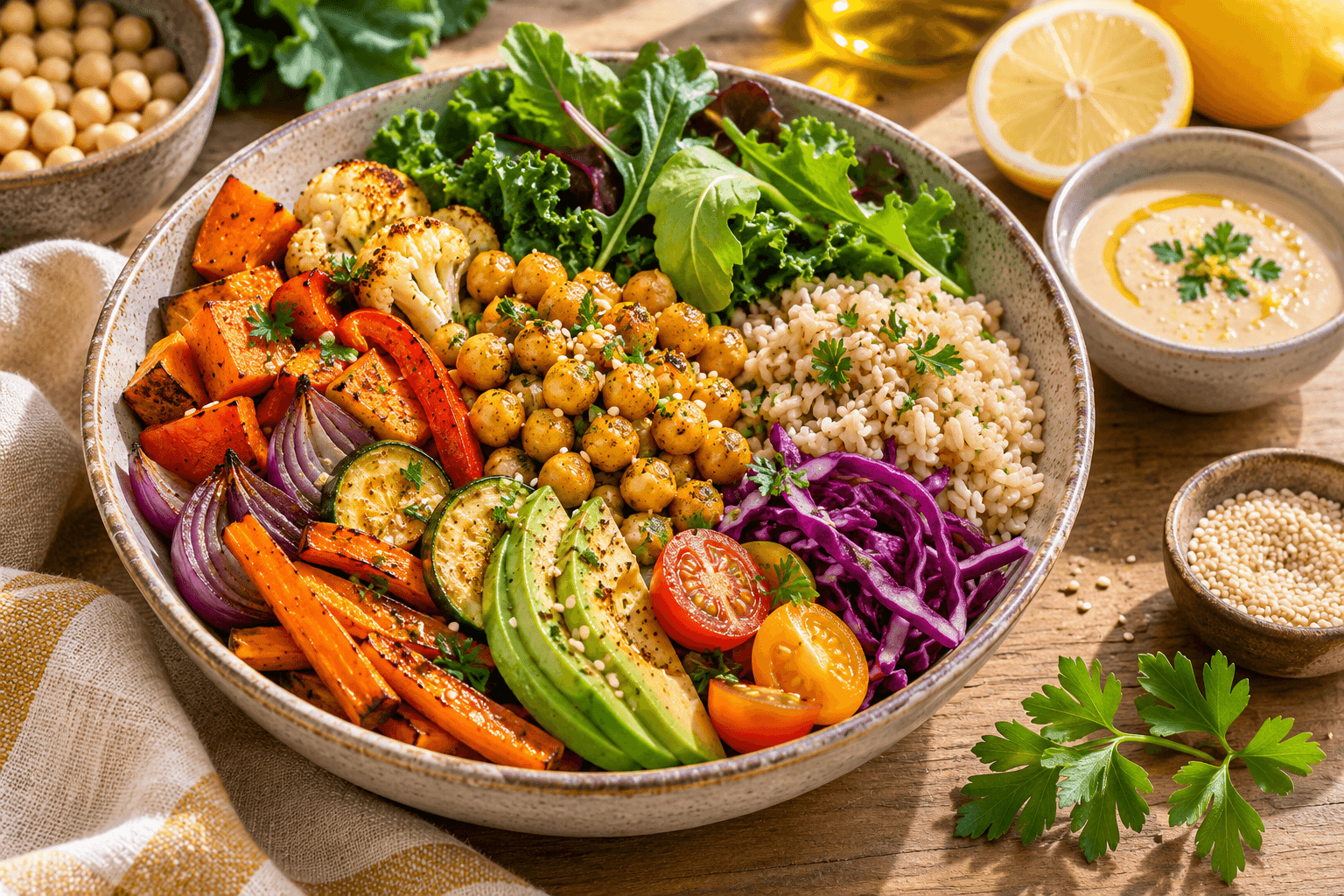
Meal Prep Without Eating the Same Thing All Week: A Mix-and-Match Guide

On this page
Key takeaways
- Prep a few flexible grains, proteins and vegetables, then mix and match them into different quick meals all week—with safe storage tips for leftovers.
- Part of our Nutrition coverage.
You don’t have to prep seven identical containers. Prepare a few flexible building blocks, then combine them into quick, different meals throughout the week.
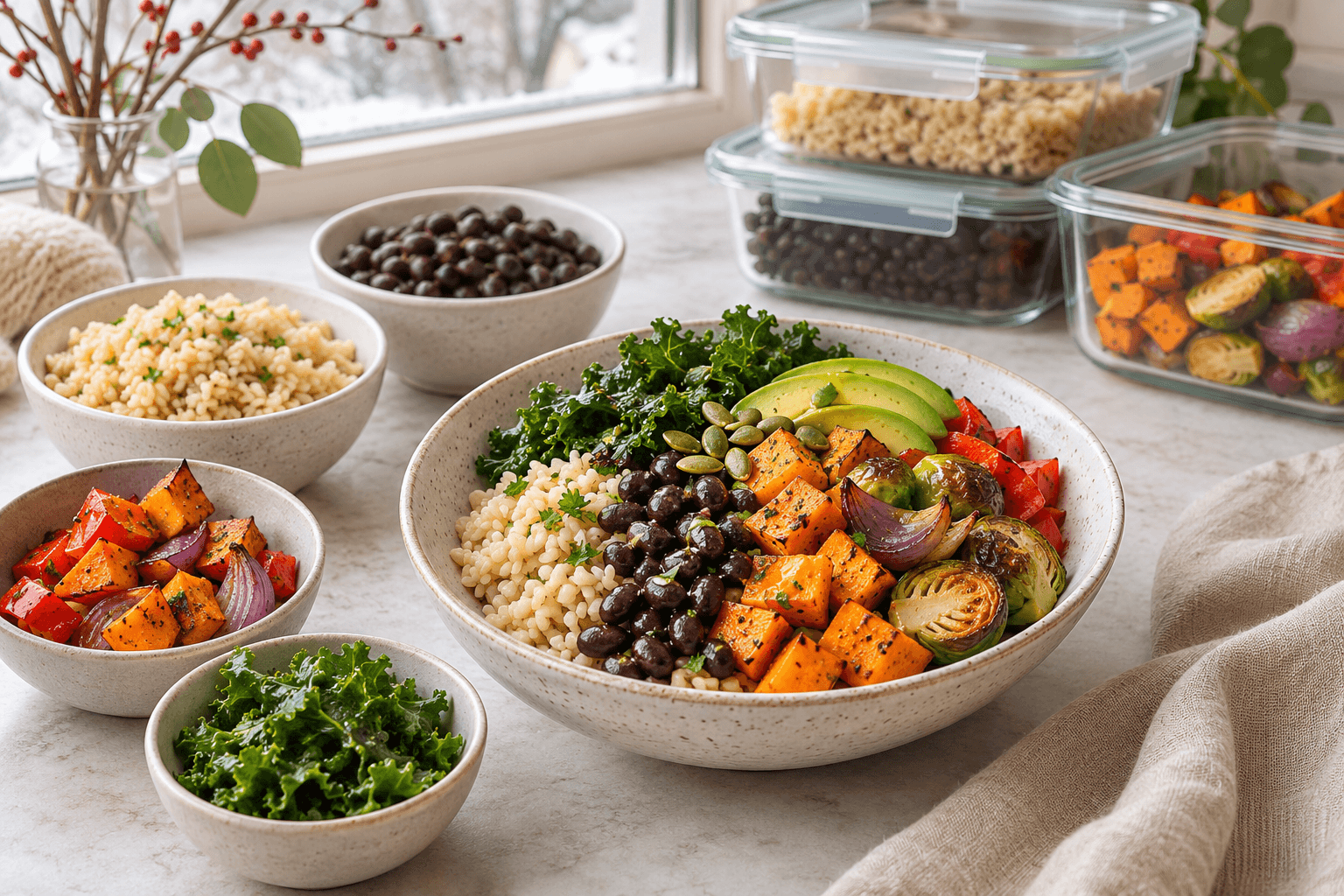
If “meal prep” sounds like spending Sunday cooking identical lunches until you’re tired of them, try a lighter approach: prep components, not complete meals. A batch of grains, a couple of protein options, and ready-to-use vegetables can become a bowl, soup, wrap, or quick pasta later. Planning ahead and keeping nutritious foods ready to go can make it easier to follow through on meals that suit your tastes and schedule.[1]
The simple formula: pick one from each column
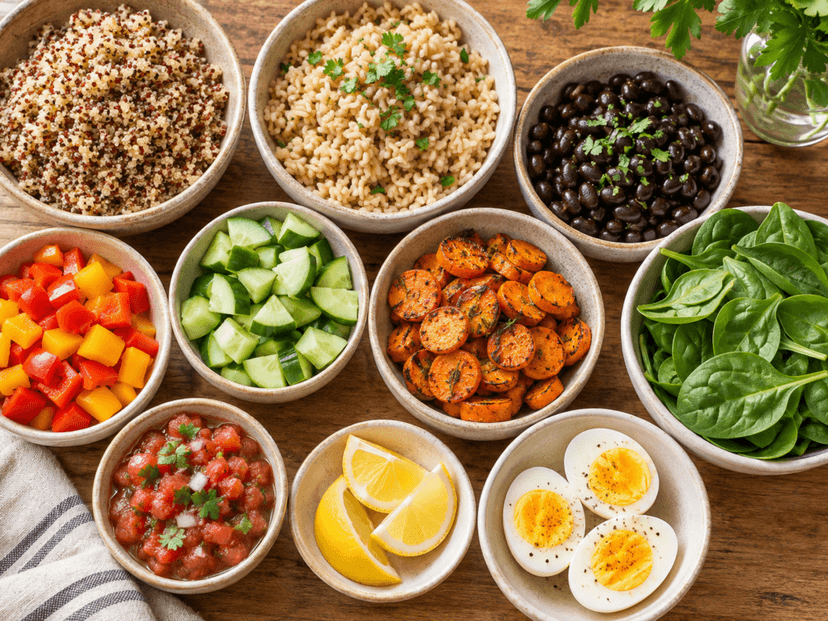
Start with a few ingredients you already like and can use in more than one dish. Heart-health meal-planning guides also recommend flexible staples such as beans, fish, whole grains and frozen vegetables.[3]
- A grain or starchy base: brown rice, quinoa, oats, whole-grain pasta, potatoes, or whole-grain tortillas.
- A protein: beans, lentils, eggs, tofu, fish, chicken, or plain yogurt.
- Vegetables or fruit: fresh, frozen, or no-salt-added canned options, depending on what you have.
- A flavor booster: lemon, salsa, herbs, spices, a little olive oil, or a sauce you enjoy.
This is a flexible starting point, not a prescribed diet or portion plan. Choose ingredients that fit your preferences, culture, budget, allergies, and health needs. For many meals, combining vegetables or fruit, a protein food, and a grain or other carbohydrate offers an easy way to add variety.[4]
A low-stress prep session
You do not need to cook everything in advance.[4] Pick two or three tasks that will save you effort later:
- Cook one grain you can use warm or cold, such as rice, quinoa, or whole-wheat pasta.
- Prepare one or two proteins—for example, beans and boiled eggs, or lentils and baked tofu.
- Wash or chop a few vegetables that can work in more than one meal. Keep some vegetables frozen or canned for backup; convenient ingredients can help build quick meals.[4]
- Set aside a ready-to-use flavor option, such as salsa, lemon, plain yogurt with herbs, or a spice blend.
- Keep one or two items unprepared so you can add variety during the week—such as fresh greens, a different sauce, or another protein.
If your schedule changes, the ingredients can change with it. MyPlate’s kitchen time-savers include chopping extra vegetables for later and doubling a recipe to freeze the extra.[5] You can also choose a prepared meal instead; the aim is a practical eating routine, not a perfect Sunday prep session.[4]
Turn the same ingredients into different meals
Suppose you have cooked rice, beans, roasted vegetables, eggs, and salsa. Mix and match them in ways that sound good. USDA MyPlate also suggests repurposing leftovers into future meals and preparing grains or vegetables ahead when useful.[7]
- A grain bowl: rice, beans, vegetables, and salsa; add an egg or a squeeze of lemon.
- A quick soup: warm beans and vegetables in broth; serve with rice or bread.
- A wrap: beans, vegetables, salsa, and rice in a whole-grain tortilla.
- A breakfast plate: eggs with leftover vegetables and a side of fruit or toast.
- A fast skillet: heat rice, beans, and frozen vegetables with herbs or spices.
AHA suggests stocking flexible “dinner builders,” such as beans, canned fish, whole grains, frozen vegetables, broth, herbs, and spices.[3] That mix can support different meals without requiring a new recipe every night.[8]
Make a small shopping list from what you already have
Before shopping, check the fridge, freezer, and pantry.[1] Choose a grain, protein, and a few vegetables or fruits to round out what’s already on hand. If you buy canned products, compare labels for sodium or added sugars where relevant; low-sodium or no-added-salt versions are often available.[3] Frozen produce is another convenient option.[4]
If you want a recipe as a starting point, USDA MyPlate’s Quick Chili uses pantry staples and can be served as written or paired with other ingredients you have.[6]
Keep prepared food safe
Meal prep should make food easier—not less safe.[2] USDA advises refrigerating perishable foods within two hours and using shallow containers to cool leftovers quickly.[2] Most refrigerated leftovers keep for three to four days, and reheated leftovers should reach 165°F (74°C) on a food thermometer.[2]
If you won’t eat a prepared portion within that window, freeze it promptly and label it with the date.[2] When in doubt about whether food has been stored safely, follow official food-safety guidance rather than relying on smell or appearance.[2]
The takeaway
Choose a few flexible ingredients, prepare only what makes your week easier, and recombine them into meals that suit the day. A plan should reduce friction—not lock you into eating the same dish over and over.[1] For more ideas, see our guides to balanced recipes and healthy meal planning.
This article offers general information and is not individualized medical advice. Food needs and food-safety situations can vary; consult a qualified professional for personal guidance.
Sources
- National Institutes of Health, Plan Your Plate
- USDA Food Safety and Inspection Service, Leftovers and Food Safety
- American Heart Association, Heart-Healthy Kitchen Essentials for Meal Prep
- CDC, How to Have Healthier Meals and Snacks
- American Heart Association, Make Family Meals Easier
- USDA MyPlate, Planning for Savings: Leftover Edition
- USDA MyPlate, Quick Chili
- American Heart Association, Staple Ingredients for Quick Healthy Meals