Fiber Without “Fibermaxxing”: A Gentle, Food-First Way to Eat More

On this page
Key takeaways
- A gradual, food-first guide to getting more fiber from everyday meals, reading Nutrition Facts labels, and easing in comfortably without chasing a rigid target.
- Part of our Nutrition coverage.
A sudden jump from very little fiber to a bowl full of bran, beans and seeds can leave your stomach uncomfortable.[3]
A steadier approach is less dramatic: choose one familiar food swap, see how it feels, and build variety over time.[1][3]
This guide explains how to make gradual, flexible changes, what Nutrition Facts labels can and cannot tell you, and when it is worth asking a health professional before changing your eating pattern.[1][4]
It is general information, not a personalized meal plan or treatment for digestive symptoms.[1][4]
First, know what “enough” means for you
There is no single number that fits every adult.[1][4]
Mayo Clinic lists general daily reference intakes of 25 grams for women aged 50 or younger and 21 grams for women older than 50; for men, it lists 38 grams up to age 50 and 30 grams after age 50.[1]
Those figures are reference points, not a diagnosis or a pass/fail score.[1][4]
Energy needs, age, health conditions, symptoms and clinician advice all matter.[1][4]
The 28-gram Daily Value printed on U.S. Nutrition Facts labels is a standard reference based on a 2,000-calorie diet.[6]
It helps compare packaged foods, but it is not a personalized target for every reader.[6]
The FDA’s label guide says 5% Daily Value or less per serving is generally “low,” while 20% or more is generally “high.”[6]
Check the serving size too: the number on the label applies to that amount, not necessarily the portion you eat.[6]
A practical starting point is simply to notice what you usually eat.[2][3]
If breakfast is mostly refined grain, consider a higher-fiber cereal or oatmeal.[2][3]
If lunch rarely includes plants, add fruit or vegetables you already enjoy.[2][3]
You do not need to calculate every bite to make a useful first change.[2][3]
Fiber comes in a range of foods
Dietary fiber is found in plant foods such as vegetables, fruit, beans and peas, nuts and seeds, and whole grains.[1][3]
Soluble fiber can form a gel in digestion; insoluble fiber adds bulk and supports movement through the digestive tract.[1][3]
Most high-fiber plant foods contain a mix, so variety is more useful than chasing a particular “fiber type.”[1][3]
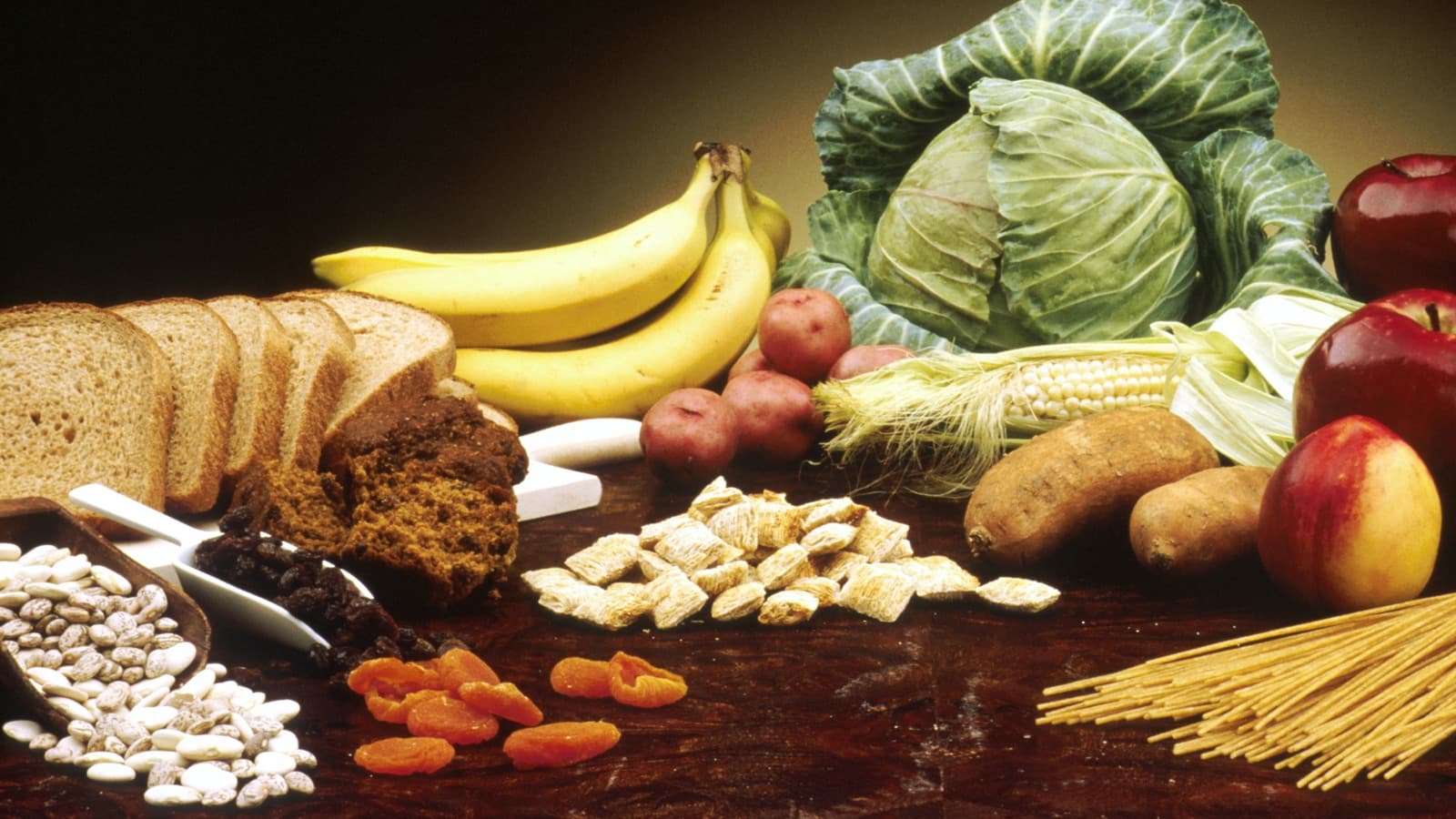
Some easy options include oats, barley, whole-wheat bread or pasta, brown rice, pears, berries, apples with the skin, peas, lentils, chickpeas, black beans, broccoli, potatoes with their skin, nuts and seeds.[2][3]
The fiber in packaged food can vary by product, so compare Nutrition Facts labels rather than assuming that “multigrain” or “high protein” automatically means high fiber.[2][6]
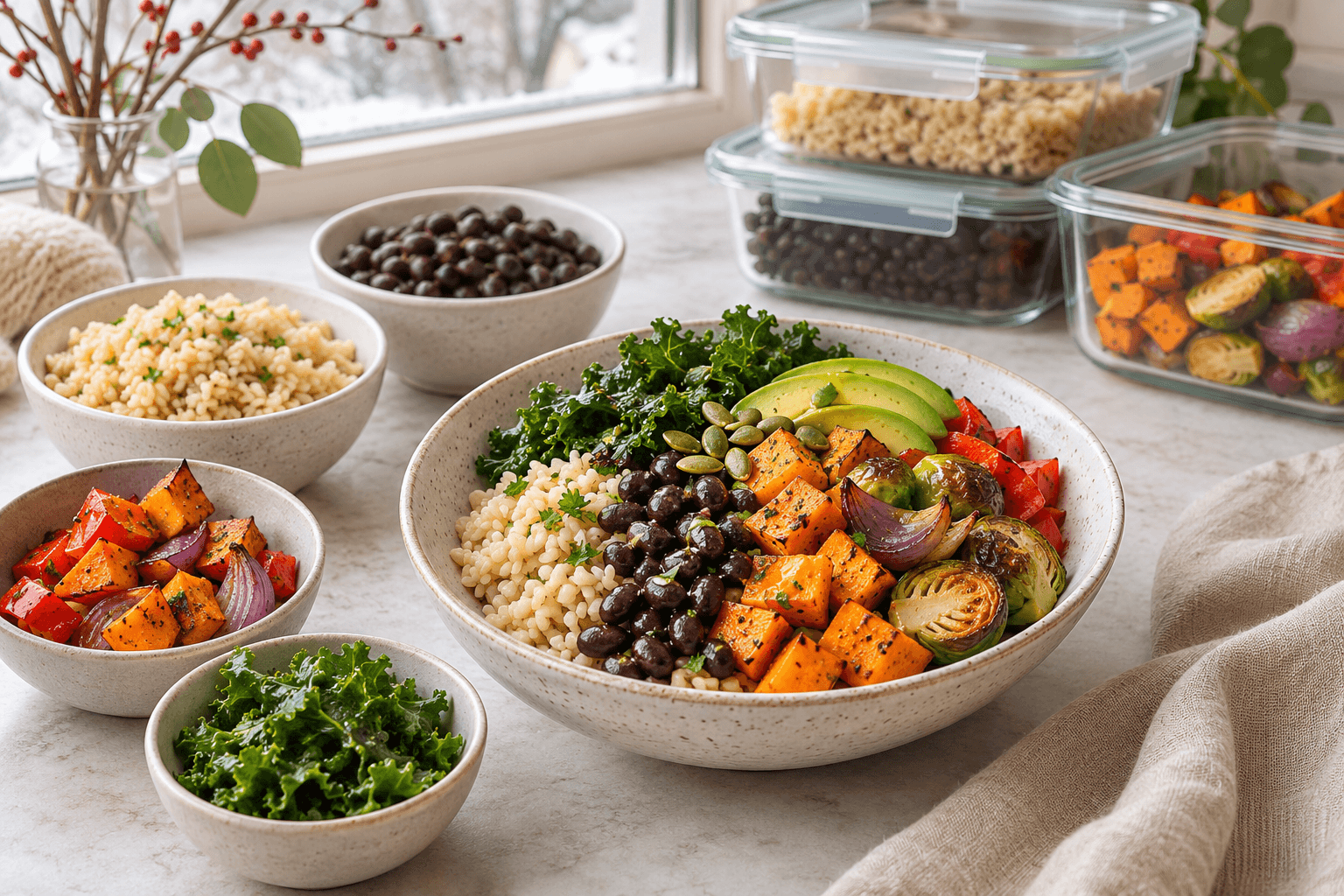
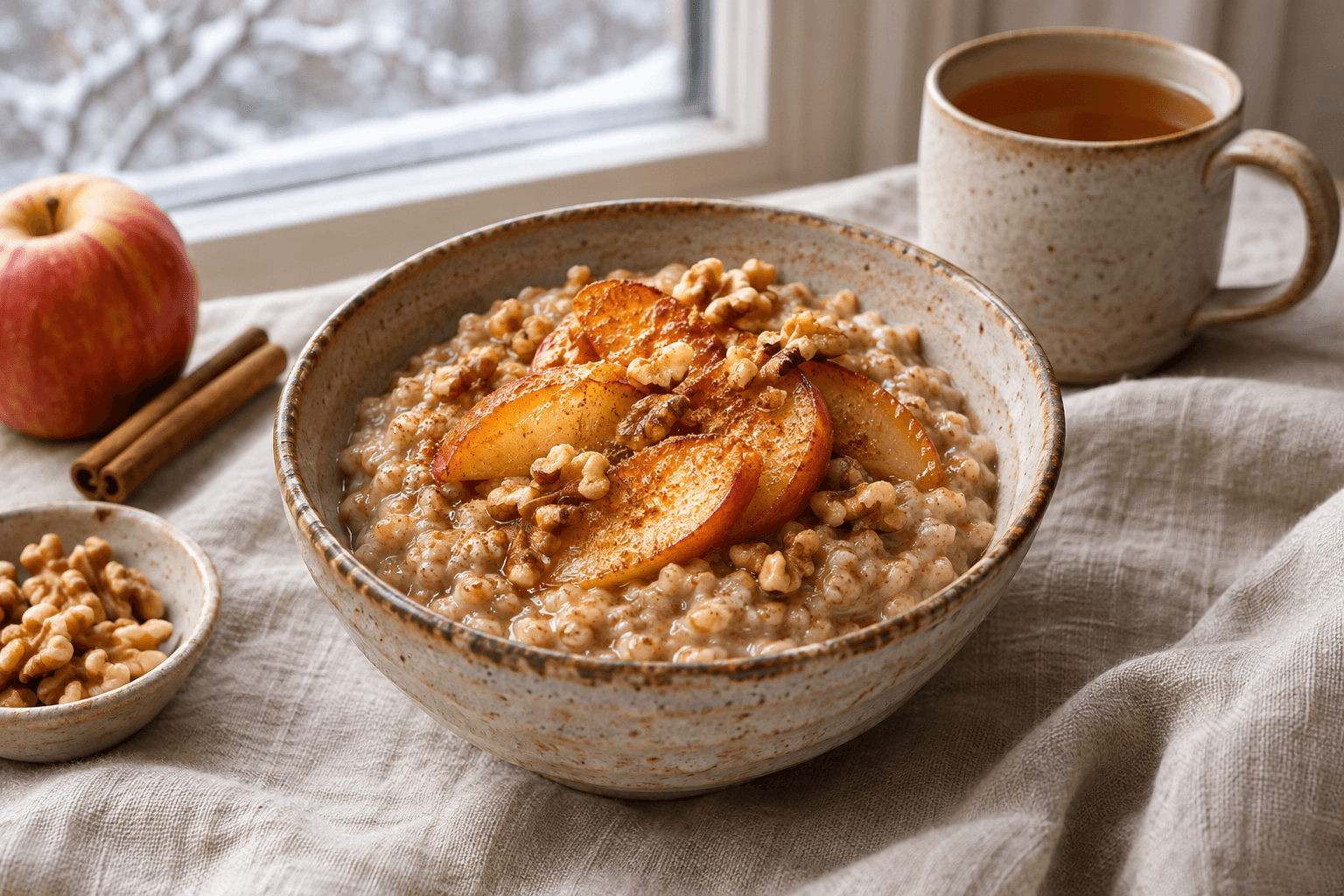
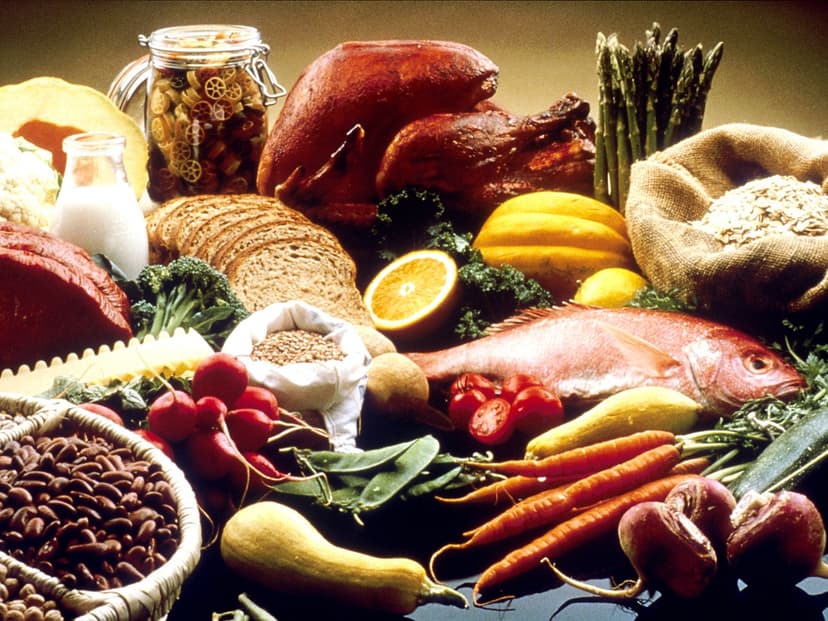
Image note: The food photographs in this article are illustrative examples, not nutrition charts or portion guidance. Only the plant foods shown contain fiber; the images do not establish the fiber content of each serving.[2][8][9]
Make one swap at a time
Choose a change that fits meals you already eat. For example, try oats instead of a low-fiber breakfast cereal, whole-wheat bread instead of white bread, or brown rice instead of white rice.[2][3]
Another option is to add a small amount of beans or lentils to soup, salad or a familiar main dish, rather than making them the entire meal overnight.[2][3]
Fruit can be a simple addition: have a pear, berries or an apple with its skin if that suits you.[2][3]
Add vegetables to a sandwich, soup or pasta dish.[2][7]
If fresh produce is inconvenient, frozen or canned choices can also be useful; compare labels and select options that fit your needs and preferences.[2][7]
If your usual meals are low in fiber, start with one small change and keep it steady for several days.[1][3]
If it feels comfortable, add another change later.[1][3]
There is no need to force a rapid schedule or hit a high number immediately.[1][3]
Gradual increases over time can help reduce gas, bloating and cramps compared with adding a large amount all at once.[1][3]
A simple flexible day might look like oatmeal with fruit at breakfast, a usual lunch with a piece of fruit or a side of vegetables, and a familiar dinner served with a whole-grain option.[2][7]
If you enjoy beans, you could add a modest spoonful to soup or a salad.[2]
These are examples—not a required menu, exact serving prescription or promise of a particular fiber total.[1][4]
Keep an eye on comfort, not just the number
A quick increase in fiber can cause gas, bloating or cramps.[1][3]
If that happens, pause the increase or return to a smaller amount that feels manageable, then consider building more slowly.[1][3]
Different foods affect people differently; a food that suits one person may bother another.[1][5]
Fluids matter, too.[1][4]
Fiber absorbs water, and health sources advise getting enough fluids as fiber intake rises.[1][4]
There is no universal water quota that suits everyone; fluid needs vary with health, activity, climate and medical advice.[4]
People who have been told to limit fluids should follow their clinician’s guidance rather than increasing fluids on their own.[4]
If you have irritable bowel syndrome, NIDDK says that fiber may help constipation for some people, but too much at once can trigger gas and IBS symptoms.[5]
NIDDK notes that soluble fiber may be more helpful for IBS symptoms than insoluble fiber, and recommends discussing dietary changes with a doctor or dietitian when appropriate.[5]
That is one reason not to treat a general “eat more fiber” message as a one-size-fits-all prescription.[5]
If you have an active digestive-disease flare, a history of intestinal narrowing or surgery, gastroparesis, or a scheduled colonoscopy, check with your clinician before increasing fiber; Mayo Clinic notes some of these situations may require a lower-fiber plan.[1]
If you have persistent pain, bleeding, ongoing constipation or diarrhea, or a prescribed diet, ask your health professional what changes are suitable for you.[1][4]
Food first; supplements only when they make sense
Whole foods can provide fiber alongside other nutrients.[1]
Mayo Clinic says supplements may be recommended by a health professional when food changes are not enough or certain health conditions are involved; it advises checking with a healthcare professional before using them.[1]
A supplement is not automatically necessary just because a label or social post sets a large target.[1][6]
Packaged products with added fiber can be convenient, but they are not all alike.[1][6]
Read the ingredient list and serving size, compare the fiber amount, and notice how you feel.[6]
Mayo Clinic notes that some people report gas with added-fiber ingredients.[1]
If you are considering a supplement, take medication, or have a gastrointestinal condition, ask a clinician or registered dietitian whether the product and amount are appropriate for you.[1][5]
A low-pressure plan for this week
Pick one meal where a plant food can fit without much effort.[2][3]
Make one swap, such as a whole-grain side, or add a fruit or vegetable you already like.[2][7]
Keep your normal routine otherwise, and pay attention to comfort.[1][3]
If things feel fine after several days, try a second small addition.[1][3]
If symptoms increase, ease back and consider seeking individualized advice.[1][4]
For packaged foods, compare products using the Nutrition Facts panel, the stated serving size and the % Daily Value; 20% Daily Value or more counts as high by FDA’s general guide, but your overall needs may differ.[6]
For meals, think in terms of variety across fruit, vegetables, beans or peas, nuts or seeds, and whole grains—not a single “superfood.”[2][7]
The goal is not to “max out” fiber in a day.[1][3]
It is to find a comfortable, sustainable pattern that works for your body and life.[1][4]
What easy swap have you found that helps you eat more plants without changing your whole routine?
Sources
- Mayo Clinic — Dietary fiber ↩
- Mayo Clinic — Chart of high-fiber foods ↩
- MedlinePlus — High-fiber foods ↩
- NIDDK — Constipation: Eating, Diet & Nutrition ↩
- NIDDK — IBS: Eating, Diet & Nutrition ↩
- FDA — Daily Value and % Daily Value labels ↩
- Dietary Guidelines for Americans, 2025–2030 ↩
- NCI Visuals Online — Fruit, Vegetables and Grain ↩
- NCI Visuals Online — Good Food Display ↩