Frozen Vegetables, Made Easy: A Practical Guide to Better Weeknight Meals

On this page
- Are frozen vegetables nutritious?
- How to choose a bag that works for you
- The easiest way to build a meal
- Texture tips for better results
- A simple winter soup formula
- Keep portions and leftovers manageable
- A realistic way to start
- Three easy ways to use a half-bag
- When frozen is the practical choice
- A note about nutrition labels and personal needs
- Make the freezer work for your routine
- Sources
Key takeaways
- A flexible guide to choosing and cooking frozen vegetables, building quick meals, and making a simple winter soup—with label tips and safe-leftover guidance.
- Part of our Nutrition coverage.
Frozen Vegetables, Made Easy: A Practical Guide to Better Weeknight Meals
Frozen vegetables can make a weeknight meal easier without turning dinner into a compromise. They are already washed, cut, and ready to cook, and extension educators recommend keeping them on hand for soups, stir-fries, pasta, and other everyday meals.[3][4]
That convenience can be helpful in cold-weather months, when having ready-to-use produce on hand can make it easier to prepare meals without a special shopping trip.[3][4]
The useful question is not whether frozen vegetables are universally “better” than fresh. It is how to choose a bag that fits your needs, cook it so the texture works, and combine it with other foods you enjoy. This guide walks through the freezer aisle, gives a flexible meal-building formula, and offers practical ways to use vegetables before they get forgotten behind the ice tray.
Are frozen vegetables nutritious?
Frozen vegetables can be a convenient way to add produce to meals, especially when fresh options are limited, costly, or likely to spoil before you use them.[3][4]
North Carolina Cooperative Extension notes that produce is often frozen near peak ripeness and that freezing preserves much of its nutritional value, while University of Maryland Extension recommends frozen vegetables as a staple option alongside fresh and canned foods.[3][4]
That does not mean every bag has the same ingredients or nutrition profile. A plain bag of broccoli is different from a seasoned blend with sauce, and products vary by brand. Check the ingredient list and Nutrition Facts label, particularly if you are comparing sodium, saturated fat, added sugars, or fiber.[1][2]
The Nutrition Facts panel describes the nutrients in a labeled serving, not necessarily the amount you will put on your plate. Compare the serving size with the portion you expect to eat, and remember that some packages contain more than one serving.[1]
A practical starting point is to choose plain vegetables when you want the most control over seasoning. Sauced varieties can still be convenient; simply look at the label and decide whether their ingredients and sodium fit your preferences. The FDA notes that the label can help shoppers compare nutrients such as sodium, saturated fat, added sugars, and fiber.[1][2]
How to choose a bag that works for you
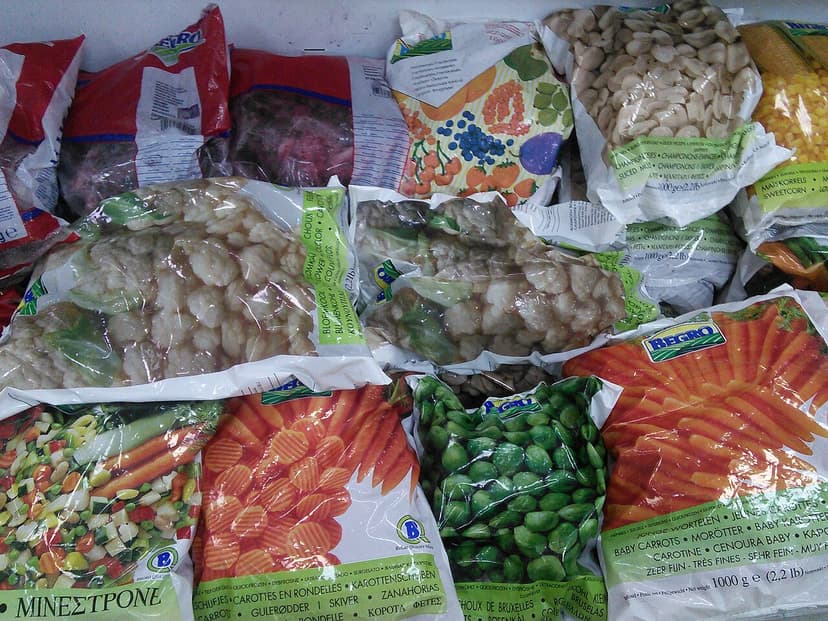
Start with the meal you are most likely to cook, rather than buying a large assortment because it seems virtuous. If you regularly make eggs, a small bag of spinach or peppers may be useful. If you cook soups, a mixed vegetable blend, peas, or chopped greens can be easier to use than a vegetable that needs special preparation. University of Maryland Extension lists broccoli, cauliflower, squash, peas, green beans, corn, carrots, spinach, kale, and collard greens among freezer-friendly staple options.[4]
Look for vegetables that are loose enough in the bag to portion without a struggle. A hard, solid mass can be inconvenient if you only need a small amount, though it does not by itself tell you whether the food is unsafe. Follow the package directions for storage and cooking, and keep your freezer cold and consistently closed.
Check the ingredients for added sauces, butter, or seasoning blends when you want to control flavor yourself. If sodium matters to you, compare the sodium per serving and the serving size on the label. The FDA identifies the Nutrition Facts label as a tool for seeing sodium in packaged foods, and its general label guidance says 5% Daily Value or less per serving is low while 20% or more is high.[1][2]
If you need to limit a nutrient for a medical reason, use advice from your clinician or registered dietitian rather than treating a general shopping rule as personalized guidance. A label is useful for comparison, but it cannot account for every individual health need.[1]
The easiest way to build a meal
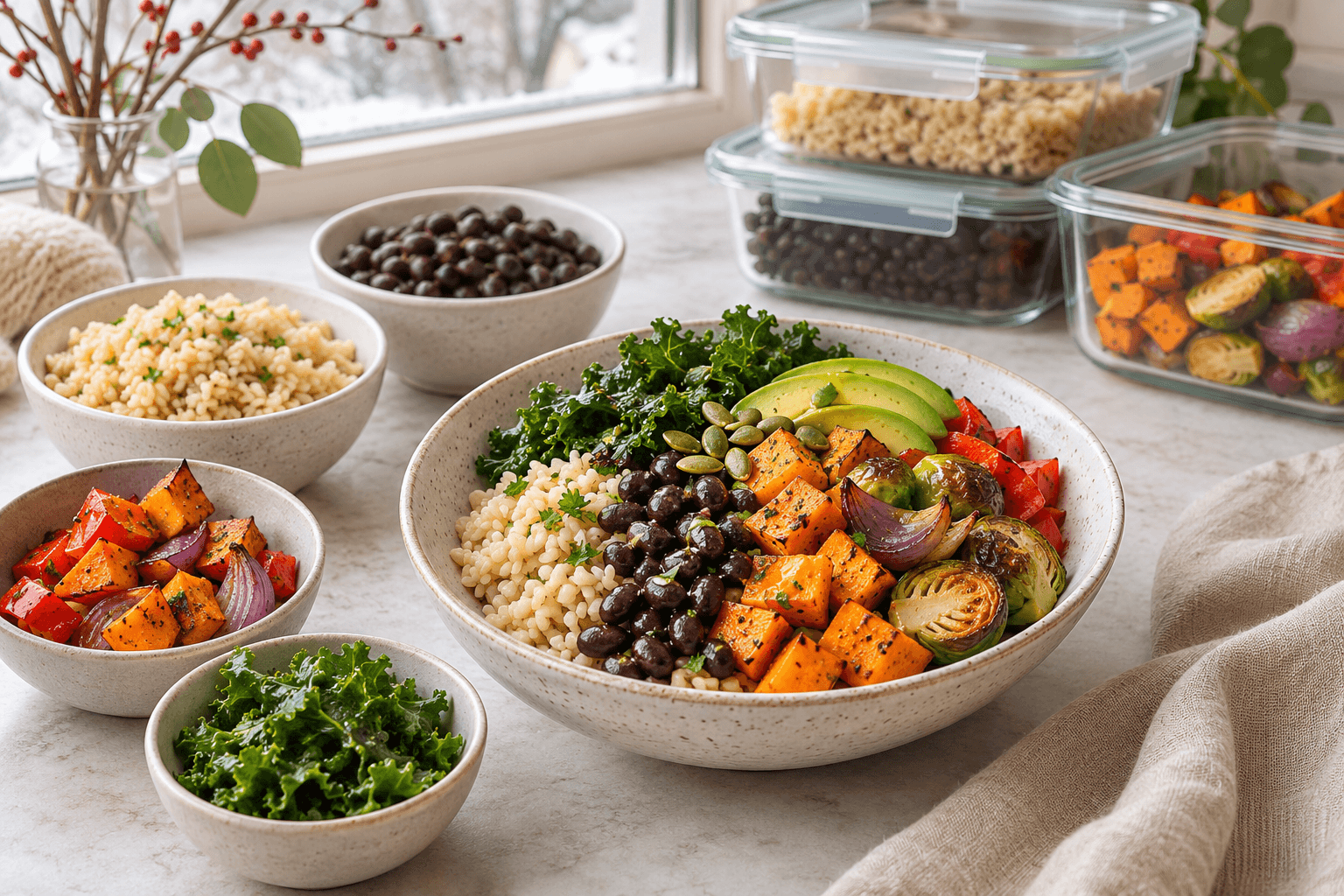
Think of frozen vegetables as one component, not the whole dinner. Pair a vegetable with a source of protein and a grain, potato, bread, or another satisfying base. The exact combination depends on your appetite, budget, culture, dietary needs, and what is already in the kitchen.
For example, add peas and carrots to rice with eggs, tofu, beans, chicken, or another protein you enjoy. Stir broccoli or spinach into pasta with beans, tuna, chicken, or cheese. Add mixed vegetables to a pot of soup with broth, canned tomatoes, and beans or lentils. University of Maryland Extension suggests combining broth, tomatoes, beans, and frozen vegetables for a hearty soup, and also points to pasta meals using vegetables with tomatoes and beans or meat.[4]
A useful low-effort pattern is: heat a pan, add a little oil if desired, cook aromatics or spices if available, add the frozen vegetables, then finish with a protein and a sauce or seasoning you like. You do not need a complicated recipe to make the meal feel complete. Garlic, ginger, black pepper, chili, curry powder, lemon, vinegar, herbs, or a spoonful of pesto can shift the flavor in different directions.
When adding vegetables to a hot dish, allow enough time for them to heat through and release excess moisture. For a stir-fry, a wide pan and smaller batches can help avoid crowding. For soup or curry, extra liquid is less of a problem because it becomes part of the dish. The package’s cooking instructions are the best guide for product-specific preparation. If convenience is a priority, try keeping one plain bag of a familiar vegetable and one blend you can add to soup, rice, or pasta.[4]
Texture tips for better results
Frozen vegetables often release water as they cook, so the method matters. If you want browned edges, use a hot oven or skillet and avoid piling too much food into one pan. If you want a tender texture, steaming or simmering may be more suitable. These are cooking choices, not nutrition rules: use the method that works for the dish and the texture you prefer.
USDA’s Food and Nutrition Service describes no-salt-added mixed vegetables that can be used in stir-fries, rice, soups, or salads, and suggests seasoning them with spices such as garlic powder, onion powder, paprika, or curry powder.[5]
USDA lists a half-cup serving of its no-salt-added mixed vegetables at 32 milligrams of sodium, 4 grams of dietary fiber, 3 grams of protein, and 59 calories; these values apply to that specific USDA product description, not every retail bag.[5]
If a bag includes a sauce packet or is designed for microwave steaming, follow its directions. Do not assume every vegetable can be cooked for the same time; shape, size, quantity, appliance, and brand all matter. Start with the package directions, then adjust next time to suit your preferred tenderness.
A simple winter soup formula
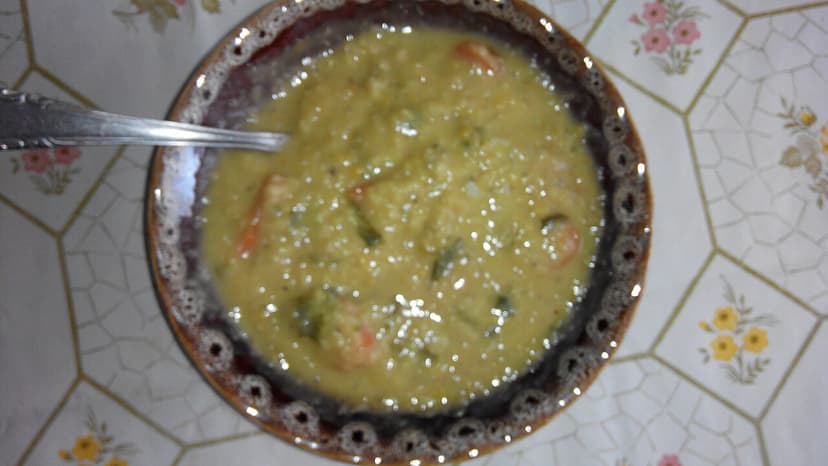
For a flexible soup, combine broth or water, canned tomatoes if you like them, beans or lentils, and a bag or portion of frozen vegetables. Maryland Extension describes a similar meal starter using broth, tomatoes, beans, and frozen vegetables, and notes that frozen vegetables can be added to soups, stews, and stir-fries.[4]
Warm the liquid and tomatoes, add the vegetables, and cook according to the package guidance. Add cooked beans or lentils and season to taste. If you use canned beans, drain and rinse them if that is your preference; check the label on broth and other packaged ingredients if you are watching sodium. A smaller amount of a more flavorful broth, herbs, lemon, or spices can help you tailor the bowl without relying on one universal recipe.
Serve the soup with bread, rice, or another base if that makes it more satisfying. You can vary the flavor with Italian herbs, curry spices, chili, or ginger. The formula is deliberately flexible: use vegetables and pantry ingredients you already have, and do not treat one exact combination as nutritionally required.
Keep portions and leftovers manageable
Frozen vegetables are easy to portion, which can help reduce waste. Close the bag securely after removing what you need and return it to the freezer promptly, following the package directions. If you repeatedly leave a large bag open or struggle to use it, smaller packages or a different vegetable may fit your routine better.
For cooked meals, cool and store leftovers safely. USDA’s Food Safety and Inspection Service advises refrigerating leftovers within two hours, using refrigerated leftovers within three to four days, and freezing them for longer storage; it also says frozen leftovers remain safe indefinitely at 0°F, although quality can decline.[6]
Thaw leftovers in the refrigerator, cold water, or microwave rather than on the counter, and follow USDA guidance on reheating and food temperatures for the specific food.[6]
A realistic way to start
Pick one or two vegetables you already enjoy and one meal you cook often. Add a plain frozen option to that meal this week: peas in rice, spinach in pasta, or mixed vegetables in soup. If it works, keep it in rotation; if it does not, try another vegetable or cooking method.
The point is convenience and flexibility, not an idealized freezer or a perfect plate at every meal. Frozen vegetables can help make it easier to keep produce on hand, but your overall eating pattern and individual needs matter more than any single bag. Choose what is affordable, accessible, and appealing to you, and use the label or professional advice when you need more specific nutrition guidance.
Three easy ways to use a half-bag
A nearly empty bag is not a recipe problem; it is an invitation to add a little color to something already cooking. Stir peas or corn into rice near the end of cooking, or fold spinach into a tomato sauce until it is heated through. Small amounts can be combined with a fresh vegetable, beans, or a protein you already planned to serve.
For a quick skillet, heat a wide pan and add a modest amount of vegetables so they have room to cook. When the vegetables are hot, add cooked rice, noodles, beans, eggs, tofu, or leftover chicken, then season the whole pan. If you are using leftovers, handle and reheat them according to food-safety guidance rather than relying on smell or appearance alone.[6]
For a simple pasta bowl, cook pasta according to its package directions and warm vegetables separately or in the same pot when appropriate for the vegetable and timing. Toss with a little pasta water, olive oil, grated cheese, lemon, or a jarred sauce. The aim is not to hide the vegetables or make them taste like something else; it is to pair them with familiar flavors so the meal is easy to repeat.
When frozen is the practical choice
Fresh produce can be a good choice, but it may not be the option you can use most reliably every week. Frozen vegetables are already prepared for cooking, and extension guidance identifies convenience, availability, and longer keeping quality as reasons they can be useful, particularly when fresh options are limited.[3][4]
Price is another reason to compare options, but there is no universal rule that frozen is always cheaper. Check the unit price, package size, usable amount, and how likely you are to finish it. University of Maryland Extension recommends comparing sale information and using a combination of fresh, frozen, canned, and dried staples according to what works for the household.[4]
If a vegetable is new to you, buy a small quantity first or choose a blend that includes familiar ingredients. A bag that you will cook is more useful than a freezer full of foods chosen for an imagined future routine. Consider what cooking equipment you have, how much freezer space is available, and whether you prefer plain vegetables or a seasoned product.
A note about nutrition labels and personal needs
Labels help compare products, but they do not grade an entire meal as “good” or “bad.” Serving sizes on labels are based on amounts people typically consume, not a recommended portion for every person.[1] If you eat more or less than the listed serving, the amounts of nutrients you get will differ accordingly.[1]
When comparing products, read the ingredients as well as the nutrient panel. A plain vegetable blend may have a shorter ingredient list than a sauce-coated blend, but the best option depends on taste, convenience, budget, and any nutrition goals you have. For sodium, compare both the amount per serving and the serving size; FDA guidance explains that the Nutrition Facts label can help people see sodium in packaged food.[2]
Some people have medical conditions or treatment plans that require individualized nutrition advice. In that case, ask a qualified clinician or registered dietitian how to interpret food labels for your situation. General shopping advice is not a substitute for a personalized recommendation, and a single product label cannot determine what is appropriate for you.
Make the freezer work for your routine
Keep the vegetables you use most where you can find them, and put newer bags behind older ones so they are less likely to disappear. If you open a large package, seal it well and follow the manufacturer’s storage instructions. You can also plan one meal around an open bag before buying another, which can make the freezer feel like a useful pantry rather than a storage graveyard.
If you cook extra soup or another dish for later, divide it into manageable portions and label the container with what it is and when you stored it. USDA advises refrigerating leftovers within two hours and notes that frozen leftovers remain safe indefinitely at 0°F, although their quality can decline over time.[6] For thawing and reheating, use the safe methods and temperature advice in the USDA guidance.[6]
A simple weekly check can help: what is already open, what meal could use it, and what one item would make that meal easier? That small planning habit can reduce the need for a special grocery trip without requiring a strict meal plan.
Frozen vegetables are one flexible tool for building meals. Use them alongside fresh produce, canned foods, grains, and protein sources in whatever combinations suit your household. If convenience is the difference between cooking with vegetables and skipping them altogether, a bag from the freezer may be exactly the practical choice you need.
Sources
- FDA — What’s on the Nutrition Facts Label
- FDA — Sodium on the Nutrition Facts Label
- N.C. Cooperative Extension — Make Your Freezer Your Friend This Winter
- University of Maryland Extension — Stock Up on Staple Foods
- USDA Food and Nutrition Service — Mixed Vegetables, No Salt Added, Frozen
- USDA Food Safety and Inspection Service — Freezing and Food Safety