Low-Carb Almond Butter Cookies (20-Minute Recipe)

On this page
Key takeaways
- Make almond butter cookies with a soft, chewy texture.
- Find the ingredients, baking steps, sweetener options and storage tips.
Make almond butter cookies with a soft, chewy texture. Find the ingredients, baking steps, sweetener options and storage tips.
Ingredients
Wet Ingredients:
- 1 cup (240g) natural unsweetened almond butter (stirred well)
- 1 large egg (room temperature)
- ⅓ cup erythritol (or monk fruit sweetener)
- 1 teaspoon vanilla extract
Dry Ingredients:
- 2 tablespoons coconut flour (or almond flour for lighter texture)
- ½ teaspoon baking soda
- ¼ teaspoon sea salt
Mix-Ins:
- ½ cup sugar-free dark chocolate chips (or 85% dark chocolate, chopped)
- Optional: 2 tablespoons chopped pecans or walnuts
Time Chart
| Stage | Time |
|---|---|
| Prep Time | 8 minutes |
| Bake Time | 10–12 minutes |
| Cooling Time | 5 minutes |
| Total Time | 23 minutes |
| Net Carbs per Cookie | 3g (makes 14 cookies) |
| Calories per Cookie | 118 kcal |
Step-by-Step Instructions (6 Steps)
Step 1: Preheat and Prepare
Preheat your oven to 350°F (175°C). Line a large baking sheet with parchment paper or a silicone mat. Do not grease the paper – the cookies spread better on ungreased parchment. These low-carb almond butter cookies work best when the oven is fully preheated, so don’t rush this step.
Step 2: Mix the Wet Ingredients
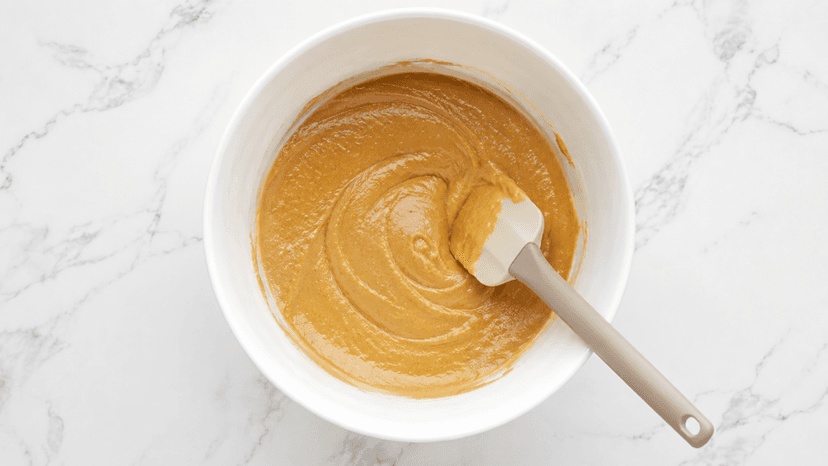
In a medium mixing bowl, combine the almond butter, egg, erythritol, and vanilla extract. Stir vigorously with a spatula or wooden spoon until completely smooth and uniform. The mixture will look thick but glossy. Make sure your almond butter is at room temperature – cold almond butter is hard to mix and will affect how these low-carb almond butter cookies turn out.
Step 3: Add Dry Ingredients
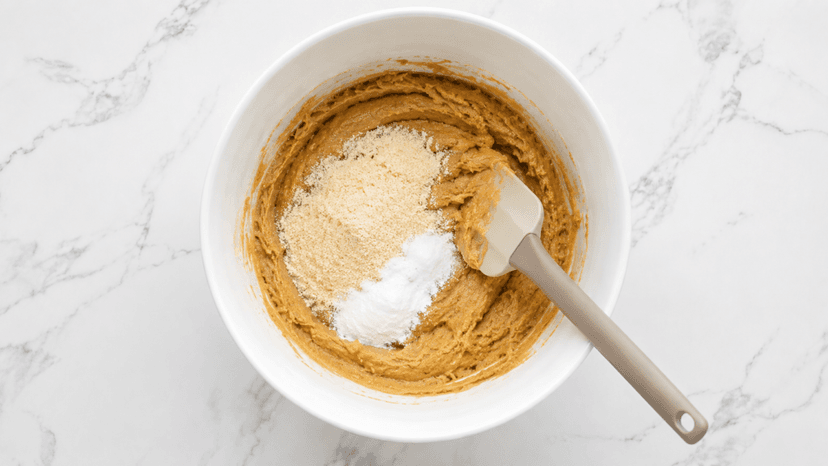
Sprinkle the coconut flour, baking soda, and salt over the wet mixture. Stir until a stiff dough forms. The dough should be slightly sticky but hold together when pressed. If it feels too wet, add 1 more teaspoon of coconut flour. Remember – these low-carb almond butter cookies use coconut flour which absorbs more liquid than regular flour, so be patient while mixing.
Step 4: Fold in Chocolate Chips
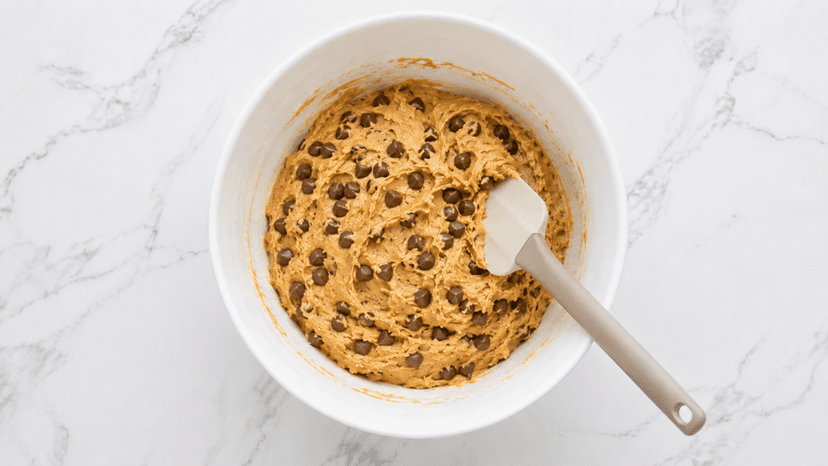
Gently fold in the sugar-free chocolate chips (and nuts if using). Distribute them evenly throughout the dough. Don’t overmix – you want the chocolate chips to stay intact. At this point, your low-carb almond butter cookies dough is ready to scoop.
Step 5: Shape and Scoop
Using a cookie scoop or tablespoon, portion out 14 equal-sized balls (about 1.5 tablespoons each). Roll each ball between your palms until smooth, then place them on the prepared baking sheet about 2 inches apart. Flatten each ball slightly with the back of a fork (dip the fork in water to prevent sticking). These low-carb almond butter cookies don’t spread much, so flattening is important.
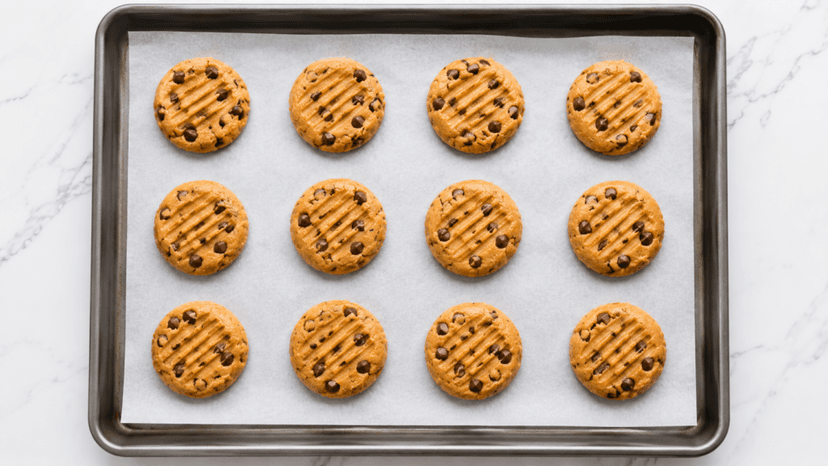
Step 6: Bake and Cool
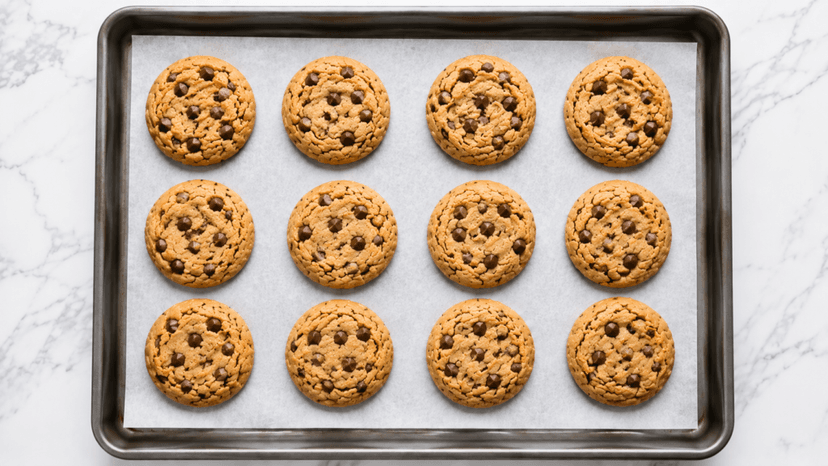
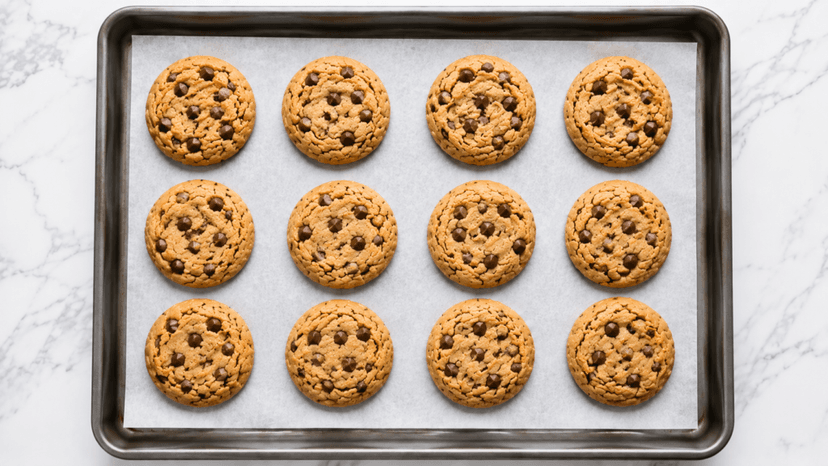
Bake for 10–12 minutes, until the edges are golden brown and the tops look set. The centers will still be soft – that’s perfect! Remove from the oven and let the cookies cool on the baking sheet for 5 minutes. Transfer to a wire rack to cool completely. These low-carb almond butter cookies get chewier as they cool.
Ingredient choices and recipe notes
Ingredient brands, substitutions and portion sizes change the nutrient totals. We have not verified a reproducible nutrition calculation for this recipe; earlier calorie, carbohydrate and other per-serving nutrition claims have been omitted. Preparation and cooking times are estimates, so allow for all listed steps, preheating, cooling or chilling.
Check the actual labels for allergens and added ingredients, particularly when using sauces, sweeteners or dairy alternatives. Substitutions can change the texture and cooking process as well as the nutrient content. A dietary label does not certify a recipe for a medical condition.
Related reading
For related ideas, see Almond Flour Cake: Low-Carb Baking Recipe.